The Future of Home Design — Comfort, Community, and Connection
The next generation of homes is designed for how we actually live—not just how we want to look on Instagram.
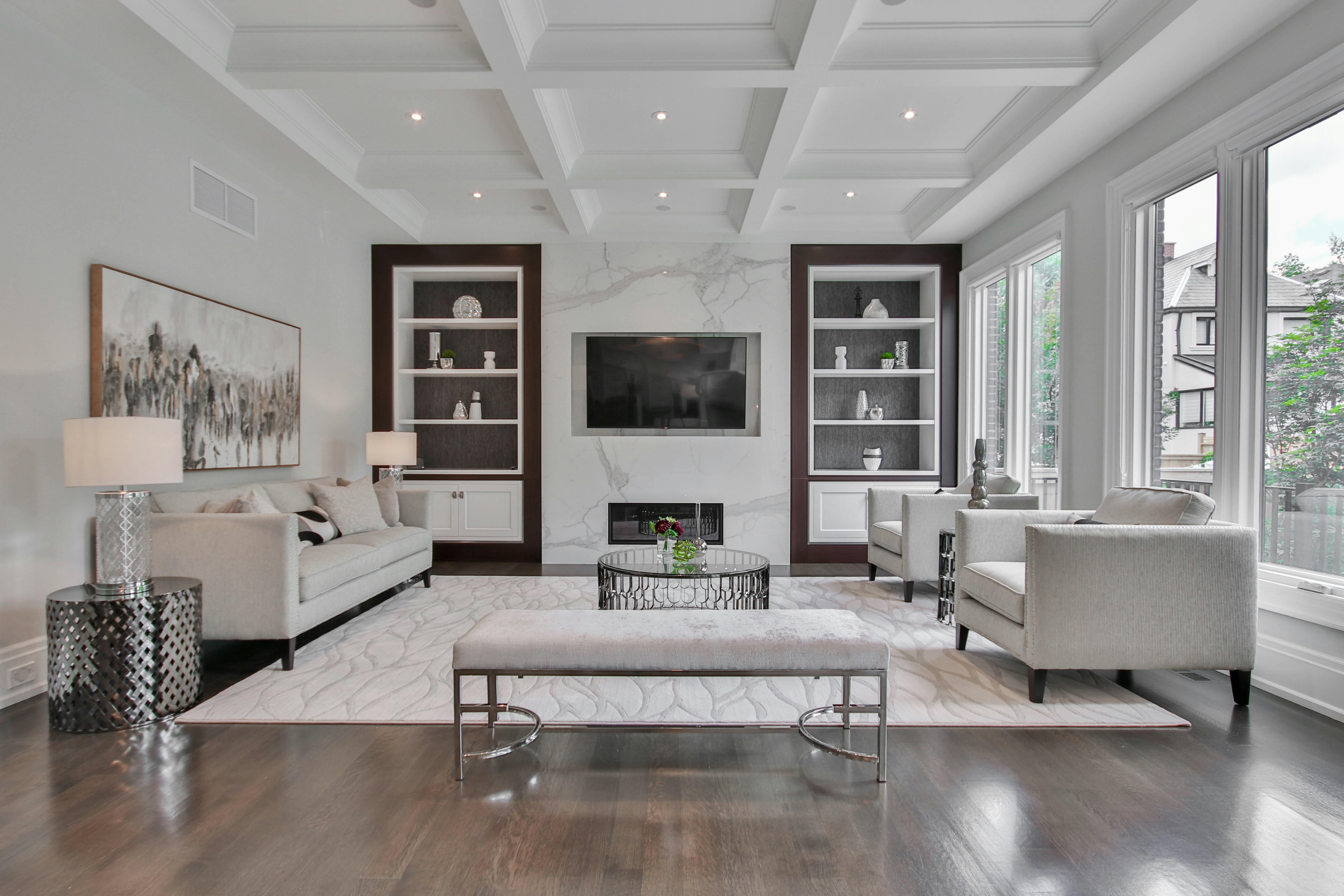
For years, "dream home" meant big, shiny, and picture-perfect. But post-pandemic, our priorities shifted. Now, homeowners are trading showy square footage for spaces that actually feel good to live in.
Here's where design is headed—and why it matters.
1. Comfort Is King
Think soft lighting, natural materials, and rooms that invite conversation. Wellness is shaping design choices: air filtration, natural light, and calming colors.
Smart move: Focus on one sensory upgrade—better lighting, cleaner air, or soundproofing—to boost comfort instantly.
2. Smaller, Smarter Spaces
With prices and environmental awareness rising, smaller homes are making a comeback. Layouts prioritize flow over footage.
Smart move: Look for (or create) multifunctional rooms—guest rooms that double as offices, or kitchen islands that convert into dining space.
3. Outdoor Connections
Balconies, patios, and pocket gardens are must-haves. After years indoors, people crave connection to nature—even if it's just a potted tomato plant on a city balcony.
Smart move: Add greenery wherever possible. Even one well-placed plant improves both air quality and mood.
4. Shared Amenities & Community Design
Developments are emphasizing shared outdoor areas, co-working lounges, and communal kitchens. People want belonging built into their environment.
Smart move: When buying, evaluate not just the home—but the neighborhood's sense of community.
5. Tech With a Human Touch
Yes, we'll have more automation—but it'll focus on convenience and care (think health sensors, adaptive lighting, and smarter energy systems).
Smart move: Choose technology that makes your daily life easier, not more complicated.
Designing your next home or renovation? Let's talk about smart features that actually fit your life—not just the latest trends.
Why Your Mortgage Rate Doesn't Define Your Financial Future
Don't let the headlines fool you—your real estate future depends more on time in the market than timing the market.

If you've been watching the news lately, you'd think mortgage rates are the main character in everyone's financial story. But here's the truth: your mortgage rate doesn't define your future—your strategy does.
Let's break it down.
1. Rates Fluctuate. Equity Lasts.
Yes, rates matter, but they're temporary. Equity, on the other hand, compounds over time. Homeowners who bought when rates were 7% in the '90s still built wealth—because they stayed in the market.
Smart move: Focus on long-term appreciation and equity building, not just the short-term rate.
2. You Can Always Refinance—But You Can't Rewind Time
If rates drop, you refinance. If home prices rise, you've already gained equity. But if you wait for "the perfect time," you lose both opportunity and leverage.
Smart move: Run the numbers on total cost of waiting vs. buying now—it's often eye-opening.
3. Payment Comfort > Rate Envy
Your goal isn't to beat your neighbor's interest rate. It's to own a home you can comfortably afford while still living your life.
Smart move: Build a budget that includes maintenance, taxes, and lifestyle—not just principal and interest.
4. Real Estate Is About Leverage and Lifestyle
Owning a home is about more than spreadsheets. It's about creating stability, having control, and investing in your future self.
Smart move: View your mortgage as a wealth-building tool, not a burden.
Want to know how your home fits into your long-term wealth plan? Let's chat about your numbers and strategy—no pressure, just clarity.
David Taylor, November 11, 2025
What Real Estate Will Look Like in 2030 (and How to Prepare Now)
The next five years will reshape how we buy, sell, and live in our homes—here's what smart homeowners should be paying attention to now.

The year 2030 sounds far away—but in real estate, it's just one market cycle away. The way we live, work, and move is changing faster than most people realize. If you want to stay ahead of the curve, now's the time to start thinking like the future homeowner or investor you'll be five years from now.
Here's what's coming—and how to prepare.
1. "Hybrid Living" Becomes the Norm
Remote and hybrid work are here to stay. That means buyers are prioritizing flexible spaces: home offices, soundproof nooks, and outdoor areas that double as work zones.
Smart move: If you're remodeling, think adaptable—convertible rooms, modular furniture, and backyard sheds turned into studios.
2. Neighborhoods Will Compete on Lifestyle, Not Just Location
Proximity to downtown used to be everything. Now, people want proximity to experience: walkable restaurants, parks, and community events.
Smart move: Before buying or investing, look at neighborhood walk scores, park access, and small business growth. Those areas will outperform.
3. Sustainability Will Be a Selling Point
Buyers are asking, "What's the utility bill?" before "What's the square footage?" Energy-efficient homes, solar panels, and eco-friendly materials won't just save money—they'll boost resale value.
Smart move: Keep track of your home's efficiency upgrades (windows, insulation, appliances). They'll matter in your next listing presentation.
4. Tech Integration Goes Beyond Smart Thermostats
By 2030, "smart home" will mean more than Alexa or Nest. We'll see integrated energy systems, AI-driven maintenance alerts, and even digital home histories.
Smart move: Choose tech with longevity—systems that can update via software rather than hardware replacements.
5. Aging in Place Becomes a Design Standard
Boomers are redefining retirement housing. Expect more single-level floor plans, wider hallways, and homes that blend comfort with accessibility.
Smart move: Even if you're not close to retirement, design choices that improve access (like curbless showers or lever handles) add long-term value.
The Bottom Line:
The future of real estate isn't scary—it's smarter, greener, and more human. If you stay curious and flexible, 2030 could be your best move yet.
Want help planning your next smart move? Let's talk about how today's trends can shape your future home decisions.